Imagine waking up to breathtaking panoramic views of the Krkonoše Mountains, stepping onto your private terrace with a cup of coffee, and breathing in the crisp, clean mountain air. This dream can become a reality with the opportunity to own a modern one-bedroom apartment in the rapidly developing ski resort of Rokytnice nad Jizerou, Czech Republic. While not in the United States, the appeal of a well-designed mountain getaway with investment potential transcends borders. The principles of real estate investment, quality construction, and lifestyle amenities are universal, making this opportunity relevant to discerning American investors seeking diversification and unique vacation properties. This article will explore the features and benefits of these attractive apartments, drawing parallels to the appeal of similar properties in popular U.S. mountain destinations. Rokytnice nad Jizerou: A Ski Resort on the Rise Rokytnice nad Jizerou is poised to become a premier ski destination, dr...
Finding the ideal apartment for rent in the United States can feel like navigating a complex maze. With countless options, varying prices, and diverse locations, the process can quickly become overwhelming. However, with the right approach and resources, securing your dream apartment is entirely achievable. This comprehensive guide provides a step-by-step roadmap to help you navigate the U.S. apartment rental market and find the perfect place to call home.
Defining Your Needs and Preferences
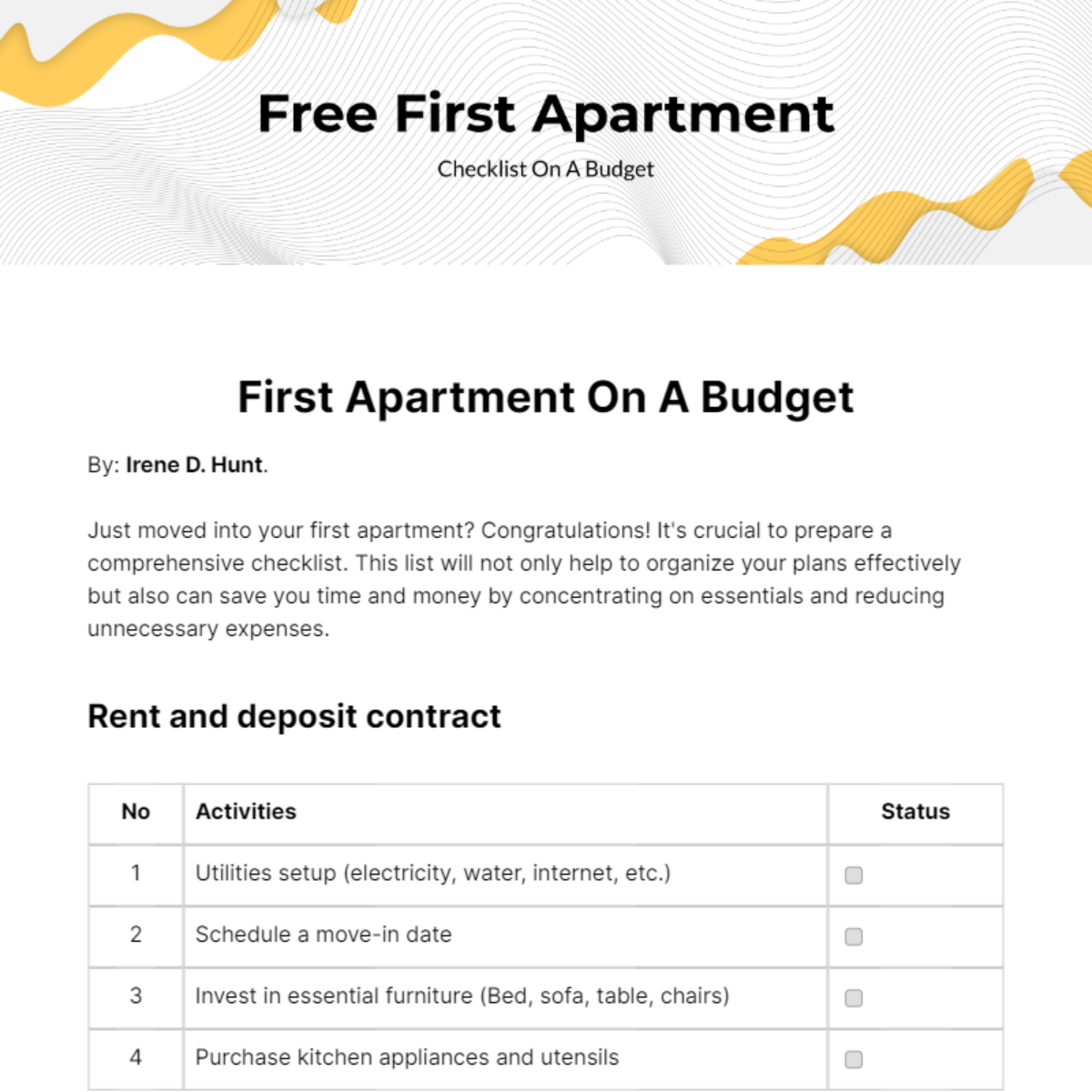
Before diving into the search, it's crucial to clearly define your needs and preferences. This initial step will significantly narrow down your options and save you valuable time and energy. Consider the following factors:
- Budget: Determine how much you can realistically afford to spend on rent each month. A general rule of thumb is to allocate no more than 30% of your gross monthly income to housing costs. Remember to factor in additional expenses such as utilities (electricity, gas, water, internet), renter's insurance, and parking fees.
- Location: Identify the neighborhoods or cities that align with your lifestyle and priorities. Consider factors such as proximity to work or school, access to public transportation, safety, and the availability of amenities like parks, restaurants, and shops.
- Size and Layout: Decide on the ideal number of bedrooms and bathrooms you need. Think about your lifestyle and whether you require a home office, a large living room, or a spacious kitchen. Also, consider the layout of the apartment and whether it suits your furniture and preferences.
- Amenities: Prioritize the amenities that are important to you. Do you need a gym, a swimming pool, in-unit laundry, a balcony, or pet-friendly accommodations? Be realistic about which amenities are essential and which are simply desirable.
- Lifestyle: Reflect on your lifestyle and what you seek in a living environment. Are you looking for a vibrant urban setting or a quiet suburban neighborhood? Do you prefer a building with social activities or a more private and secluded residence?
Leveraging Online Apartment Search Platforms

The internet has revolutionized the apartment hunting process, providing access to a vast inventory of available rentals. Online apartment search platforms are invaluable resources for finding apartments that match your specific criteria. These platforms allow you to filter your search by location, price, size, amenities, and other factors.
Popular apartment search websites include:
- Apartments.com: Apartments.com boasts one of the most extensive databases of apartments for rent in the U.S., offering detailed listings with photos, floor plans, virtual tours, and verified information about schools and neighborhoods. They also offer features like 3D tours and the ability to apply for apartments online.
- Zillow: While primarily known for its real estate listings, Zillow also features a comprehensive selection of apartments for rent, complete with detailed information, user reviews, and interactive maps.
- Rent.com: Rent.com provides a user-friendly interface and a wide range of apartment listings, along with helpful resources such as renter's guides and neighborhood information.
- Craigslist: While Craigslist can be a viable option, it's essential to exercise caution and be aware of potential scams. Always verify the legitimacy of listings and never send money without first seeing the apartment in person.
- Local Apartment Finders: Many cities have local apartment finder websites that specialize in rentals within that specific area. These sites can provide valuable insights into the local market and offer listings that may not be available on national platforms.
When using online apartment search platforms, be sure to:
- Set up alerts: Create email alerts to receive notifications when new apartments that match your criteria become available.
- Utilize filters: Narrow down your search by using filters for price, size, amenities, and other factors.
- Read reviews: Pay attention to reviews from previous tenants to get an idea of the landlord's responsiveness and the overall condition of the building.
- Verify information: Always double-check the information provided in the listing, such as the address, rent amount, and availability date.
The Application Process: Preparing for Success
Once you've found a few apartments that pique your interest, it's time to begin the application process. Landlords typically require prospective tenants to submit an application form, along with supporting documentation. To increase your chances of approval, it's essential to be prepared and organized.
- Credit Report: Landlords will check your credit history to assess your ability to pay rent on time. Obtain a copy of your credit report from a major credit bureau (Experian, Equifax, or TransUnion) and review it for any errors. If you have a low credit score, consider taking steps to improve it before applying for apartments.
- Proof of Income: Provide documentation to verify your income, such as pay stubs, W-2 forms, or bank statements. Landlords typically require that your gross monthly income be at least three times the monthly rent.
- References: Gather references from previous landlords or employers who can vouch for your character and reliability.
- Application Fee: Be prepared to pay an application fee, which is typically non-refundable. The fee covers the cost of running a credit check and processing your application.
- Security Deposit: If your application is approved, you'll be required to pay a security deposit, which is typically equal to one or two months' rent. The security deposit is used to cover any damages to the apartment beyond normal wear and tear.
Before submitting your application, carefully review all the information to ensure its accuracy. Errors or omissions can delay the process or even result in rejection. Also, be prepared to answer any questions the landlord may have about your application.
Touring Apartments and Asking the Right Questions
After your application is submitted, the landlord will schedule a tour of the apartment. This is your opportunity to inspect the unit and ask any questions you may have.
During the tour, pay attention to the following:
- Condition of the Apartment: Check for any signs of damage or disrepair, such as water leaks, cracks in the walls, or broken appliances.
- Cleanliness: Assess the overall cleanliness of the apartment and the building.
- Noise Levels: Listen for any excessive noise from neighbors, traffic, or other sources.
- Lighting: Evaluate the natural light and the adequacy of the artificial lighting.
- Amenities: Verify that the amenities listed in the advertisement are actually available and in good working order.
Ask the landlord the following questions:
- What is the lease term?
- What are the utility costs?
- Is parking included?
- Are pets allowed?
- What is the policy on repairs and maintenance?
- What are the move-in and move-out procedures?
- What is the security deposit refund policy?
Signing the Lease Agreement: Understanding Your Rights and Responsibilities
Once you've found the perfect apartment and your application has been approved, it's time to sign the lease agreement. The lease is a legally binding contract that outlines the terms and conditions of your tenancy.
Before signing the lease, carefully read through the entire document and make sure you understand all of the terms. Pay particular attention to the following:
- Rent Amount and Due Date: Verify the monthly rent amount and the date it is due.
- Late Fees: Understand the amount of any late fees and the consequences of paying rent late.
- Lease Term: Confirm the length of the lease term.
- Renewal Options: Inquire about the process for renewing the lease at the end of the term.
- Subletting: Understand the policy on subletting the apartment.
- Termination Clause: Review the conditions under which the lease can be terminated early.
- Rules and Regulations: Familiarize yourself with the building's rules and regulations, such as noise restrictions and pet policies.
If you have any questions or concerns about the lease agreement, don't hesitate to ask the landlord for clarification. It's essential to fully understand your rights and responsibilities before signing the document. Consider having a lawyer review the lease agreement, especially if you are unfamiliar with landlord-tenant laws.
Moving In and Setting Up Your New Home
Congratulations, you've found your perfect apartment! Now it's time to move in and make it your own.
- Schedule the Move: Coordinate your move-in date with the landlord and schedule movers if necessary.
- Notify Utility Companies: Contact the utility companies to set up service for electricity, gas, water, and internet.
- Change Your Address: Notify the post office and other relevant institutions of your new address.
- Inspect the Apartment: Conduct a thorough inspection of the apartment upon move-in and document any existing damages.
- Obtain Renter's Insurance: Purchase renter's insurance to protect your belongings from theft or damage.
- Familiarize Yourself with the Building: Learn about the building's amenities, security features, and emergency procedures.
Finding an apartment for rent in the U.S. requires careful planning, diligent research, and a proactive approach. By following these steps, you can navigate the rental market with confidence and secure the perfect place to call home. Remember to be patient, persistent, and always advocate for your needs and preferences. Happy apartment hunting!