Imagine waking up to breathtaking panoramic views of the Krkonoše Mountains, stepping onto your private terrace with a cup of coffee, and breathing in the crisp, clean mountain air. This dream can become a reality with the opportunity to own a modern one-bedroom apartment in the rapidly developing ski resort of Rokytnice nad Jizerou, Czech Republic. While not in the United States, the appeal of a well-designed mountain getaway with investment potential transcends borders. The principles of real estate investment, quality construction, and lifestyle amenities are universal, making this opportunity relevant to discerning American investors seeking diversification and unique vacation properties. This article will explore the features and benefits of these attractive apartments, drawing parallels to the appeal of similar properties in popular U.S. mountain destinations. Rokytnice nad Jizerou: A Ski Resort on the Rise Rokytnice nad Jizerou is poised to become a premier ski destination, dr...
Finding the perfect apartment is a significant milestone, whether you're a recent graduate embarking on your first solo living adventure or a young professional seeking a comfortable and convenient space. In the United States, the decision often boils down to choosing between a studio apartment and a one-bedroom apartment. Both offer distinct advantages and cater to different lifestyles. This article delves into the key differences between these two types of apartments, weighing the pros and cons to help you determine which option best suits your needs and preferences.
Understanding the Core Difference: Layout and Functionality

The primary distinction between a studio and a one-bedroom apartment lies in the layout. A studio apartment combines the living, dining, and sleeping areas into a single, open space. Think of it as a larger version of a hotel room, complete with a kitchenette and bathroom. In contrast, a one-bedroom apartment offers a separate, enclosed bedroom, providing a distinct division between living and sleeping areas. This separation is the defining characteristic and influences many other factors, such as price, privacy, and overall suitability.
What is a Studio Apartment? Maximizing Space and Minimizing Costs
A studio apartment, also known as an efficiency apartment, is designed to be compact and efficient. It typically features a single main room that serves as the living room, bedroom, and often the dining area. The kitchen is usually a kitchenette, with basic appliances like a refrigerator, stovetop, and microwave. A separate bathroom with a toilet and shower or bathtub is always included.
Studios are popular among students, young professionals, and minimalist individuals who prioritize affordability and convenience. The open layout encourages efficient use of space and simplifies cleaning and maintenance. However, the lack of separation can be a drawback for those who value privacy or prefer distinct areas for different activities.
What is a One-Bedroom Apartment? Embracing Privacy and Separation
A one-bedroom apartment offers a clear separation between the living and sleeping areas. It features a separate bedroom with its own door, providing privacy and a dedicated space for rest and relaxation. The living room serves as the primary area for entertaining, working, or simply relaxing. The kitchen is typically larger and more equipped than in a studio apartment, offering more storage and counter space for cooking.
One-bedroom apartments are often favored by young professionals, couples, and individuals who appreciate the added space and privacy. While they generally come at a higher price point than studios, they offer a more comfortable and versatile living environment.
Size Matters: Dispelling the Myth of One-Bedroom Superiority
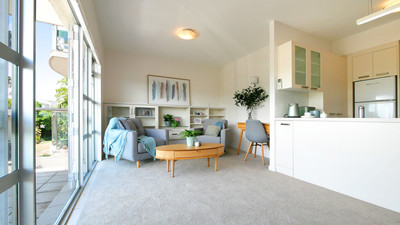
While it's commonly assumed that one-bedroom apartments are always larger than studio apartments, this isn't always the case. The actual square footage can vary significantly depending on the location, building, and design. Some studio apartments can be surprisingly spacious, while some one-bedroom apartments may have smaller living areas. It's crucial to carefully consider the dimensions of each apartment type to determine which offers the most usable space for your needs.
Studio vs. One-Bedroom: A Head-to-Head Comparison
Choosing between a studio and a one-bedroom apartment is a personal decision based on your individual circumstances and priorities. Let's examine the key factors to consider:
- Price: Studio apartments are generally more affordable than one-bedroom apartments. This is the most significant advantage for many renters, especially those on a budget.
- Location: Due to their lower cost, studio apartments may allow you to live in more desirable neighborhoods that would otherwise be financially out of reach.
- Maintenance: With less square footage and fewer rooms, studio apartments are easier and quicker to clean and maintain.
- Energy Efficiency: Heating and cooling a smaller, open space typically results in lower energy bills.
- Furniture Needs: Studio apartments require less furniture, which can save you money and simplify your move.
However, one-bedroom apartments offer several compelling advantages:
- Privacy: The separate bedroom provides a private space for sleeping, relaxing, or working without being disturbed by activities in the living area.
- Hosting Guests: A one-bedroom apartment makes it easier to host guests, with a separate living area for socializing and a bedroom that can be used for overnight stays.
- Separation of Spaces: Having distinct living and sleeping areas allows for better organization and a more comfortable living environment, especially for those who work from home.
- Kitchen Functionality: One-bedroom apartments typically have larger, more functional kitchens, making cooking and meal preparation easier.
- Personalization: The extra space allows for more personalization and the creation of dedicated areas for hobbies, interests, or personal shrines.
The American Dream in Miniature: Location, Location, Location
In the United States, location plays a crucial role in the appeal of both studio and one-bedroom apartments. Urban centers like New York City, San Francisco, and Chicago often feature a higher proportion of studio apartments due to space constraints and affordability concerns. These studios may offer stunning city views or proximity to cultural attractions, making them attractive options for young professionals and creatives.
In contrast, suburban areas tend to offer more one-bedroom apartments with larger square footage and amenities like parking and green spaces. These apartments are often favored by individuals and couples seeking a more relaxed and spacious living environment.
Addressing Common Concerns: Noise, Odors, and Clutter
One of the primary concerns with studio apartments is the potential for noise and odors to permeate the entire living space. Cooking smells, television sounds, and general activity can all disrupt the sleeping area. Effective ventilation and strategic furniture placement can help mitigate these issues.
Clutter can also be a challenge in a studio apartment. Without a separate bedroom to store personal belongings, it's essential to be organized and minimalist. Utilizing vertical storage solutions, multi-functional furniture, and regular decluttering can help keep the space tidy and functional.
Making the Right Choice: A Personal Reflection
Ultimately, the decision between a studio and a one-bedroom apartment depends on your individual needs, preferences, and budget. Consider the following questions to guide your decision:
- What is your budget? How much can you realistically afford to spend on rent each month?
- How much space do you need? Do you require a separate bedroom for privacy and relaxation?
- How often do you host guests? Do you need a dedicated space for entertaining and overnight stays?
- What is your lifestyle like? Are you a minimalist who values simplicity, or do you prefer a more spacious and organized living environment?
- What is your tolerance for clutter and noise? Can you effectively manage these challenges in a smaller, open space?
- What amenities are important to you? Do you prioritize features like parking, in-unit laundry, or a fitness center?
By carefully considering these factors and weighing the pros and cons of each apartment type, you can make an informed decision that aligns with your needs and creates a comfortable and fulfilling living experience in the United States. Remember to visit multiple apartments, compare rental terms, and trust your instincts to find the perfect space to call home.